-
Beyond the Frame: Why Conceptual Art Matters

When most people hear the name Yoko Ono, their first thought is often tied to her association with the Beatles. She’s unfairly remembered as the woman who “broke up the band.” But what many overlook is her remarkable career as an artist, spanning a wide range of media and influencing countless others. Among her most celebrated contributions is her book Grapefruit, a cornerstone of conceptual art.
Grapefruit is no ordinary art piece—it’s a collection of instructions, playful yet profound, that invite the reader to participate in completing the art. Each instruction offers a unique perspective, challenging our understanding of what art can be and how we engage with it in our daily lives.
Some of the instructions in Grapefruit include:
- “Stay in a room for a month. Do not speak. Do not see. Whisper at the end of the month.”
- “Light a match and watch till it goes out.”
- “Make all the clocks in the world fast by two seconds without letting anyone know about it.”
These ideas are deceptively simple but brimming with depth. They encourage us to reframe ordinary experiences and interact with the world in new ways.
Why Conceptual Art Stands Out
Conceptual art is often misunderstood or dismissed as “not real art.” Some might roll their eyes at a blank canvas or a performance that appears aimless. But this dismissal overlooks the power and innovation of conceptual art.
Here’s why I believe conceptual art is one of the most fascinating and liberating art forms:
Participation Beyond Passive Viewing
Traditional art, such as paintings or sculptures, is often consumed visually. We stand before it, admire its composition, and take it in. Conceptual art, on the other hand, invites—sometimes demands—participation. It asks us to engage actively, to think, imagine, or even physically act. In doing so, we’re not just spectators but co-creators of the artwork.
It Evades Ownership
In a world where material possessions are everything, conceptual art is refreshingly untethered. You can’t own an idea, nor can you hang it on a wall. Much of conceptual art exists in thought or action, shared freely, and carried on through individual interpretation.
My Own Journey with Conceptual Art
Inspired by works like Grapefruit, I created my own book of conceptual art, You Can’t Eat Art. It’s a collection of words and phrases carefully chosen to spark the reader’s imagination and activate their senses.
Words are immensely powerful. Seeing the right ones at the right time can shift our perspective, help us solve a problem, or uncover a deeper truth about ourselves or the world around us. For example, a single word might remind you of a cherished memory, clarify a lingering question, or spark inspiration in an unexpected moment.
For me, conceptual art is not about making something beautiful to look at—it’s about creating something meaningful to experience. It’s a conversation, a challenge, an exploration of ideas.
The Lasting Impact
The beauty of conceptual art lies in its ability to transcend physical boundaries and ignite mental ones. It refuses to be boxed into a gallery or trapped in a frame. Instead, it lives in our actions, our thoughts, and our shared imagination.
So the next time you hear someone scoff, “You call this art?” remember that art isn’t just about what we see—it’s about what we feel, think, and do. Conceptual art reminds us that we’re all creators, capable of shaping the world around us in ways both big and small.
I can help you make concept art 🙂
Email me for advice or hire me for a flexible fee to help you develop a piece or collection of concept art that stands the test of time.
-
Why Business Cards Are Still Essential in a Digital World

In an age where LinkedIn connections and QR codes dominate networking, you might think business cards are a relic of the past. However, these small pieces of cardstock remain a powerful tool for making lasting impressions and building professional relationships.
Here’s why business cards still matter and how you can make yours stand out:
Why Business Cards Are Important
A Personal Touch: Exchanging business cards adds a tangible, human element to networking. It’s a small gesture that can make a big impact, especially in face-to-face meetings.
Instant Accessibility: Unlike a phone number or LinkedIn profile that might get lost in a sea of notifications, a business card is a physical reminder of your conversation and who you are.
Professionalism: Handing someone a sleek, well-designed business card shows you’re prepared and serious about your work. It sets the tone for future interactions.
Offline Networking: Not every opportunity comes with internet access. Business cards are invaluable at conferences, networking events, and casual encounters where digital devices might not be handy.
Tips for Designing an Effective Business Card
1. Keep It Simple: Don’t overcrowd your card with too much information. Include only the essentials: your name, job title, company name, phone number, email, and website.
2. Use High-Quality Materials: A sturdy card stock and professional printing reflect your attention to detail and commitment to quality. Matte, glossy, or textured finishes can elevate your card.
3. Incorporate Your Branding: Make sure your business card aligns with your brand identity by using consistent colors, fonts, and logo placement.
4. Add a Unique Element: Stand out with creative features like embossed text, foil accents, or even a scannable QR code that links to your portfolio or LinkedIn profile.
5. Ensure Readability: Choose fonts that are clean and easy to read. Avoid small text or overly decorative typefaces that might detract from your message.
The Bottom Line
Business cards are more than just a piece of paper—they’re a reflection of your personal brand. In a world where first impressions count, a well-crafted card can help you stand out, build credibility, and foster meaningful connections.
Don’t underestimate the power of this small but mighty marketing tool. With thoughtful design and quality execution, your business card can leave a lasting impression long after the handshake.
I can help you make business cards 🙂
Email me for advice or hire me for a flexible fee to help you develop a business card template that will make you and your employees shine.
If you want to go really outside the box to make a memorable impact, you can consider using a Giant Business Card.
-
Five Essential Tips for Designing a Brochure

In an era dominated by digital marketing, brochures still stand out as a powerful tool for connecting with your audience. Whether used at trade shows, conferences, or retail locations, brochures provide a tangible, lasting reminder of your brand. But how do you design one that grabs attention and delivers your message effectively?
1. Know Your Audience: Tailor your design and content to the needs and preferences of your target audience. Are they looking for detailed information or quick highlights? This will guide everything from layout to language.
2. Focus on a Clear Message: Keep your content concise and organized. Use headings, bullet points, and short paragraphs to make your brochure easy to skim. Highlight the benefits of your products or services, not just their features.
3. Use High-Quality Visuals: Eye-catching images, clean typography, and a cohesive color scheme are essential. Ensure your visuals align with your brand identity and print at high resolution to maintain a professional look.
4. Incorporate a Strong Call to Action (CTA): Tell your readers what to do next. Whether it’s “Visit our website,” “Call us for a quote,” or “Follow us on social media,” make your CTA clear and easy to follow.
5. Choose the Right Format: Brochures come in various formats, from tri-folds to multi-page booklets. Select a style that complements your content and purpose. A tri-fold is ideal for quick summaries, while a booklet works well for in-depth information.
By combining thoughtful design with strategic messaging, your brochure can become an invaluable tool that complements your digital marketing efforts and leaves a lasting impression.
I can help you make a brochure 🙂
Email me for advice or hire me for a flexible fee to develop one or more brochures to get your brand into the hands of customers.
-
Master Your Company’s Marketing with Branded Assets & Templates

A strong and consistent brand identity is crucial for any company looking to establish credibility and stand out in a competitive market. At the core of this identity are key elements like colors, logos, typography, and visual styles. These elements create a cohesive look and feel that makes your brand instantly recognizable to your audience.
Core Elements of a Brand
1. Colors: Your color palette should reflect your company’s personality and values. For example, bold, bright colors convey energy and innovation, while muted tones signal professionalism and sophistication.
2. Logo: A great logo is the centerpiece of your brand. It should be versatile enough to work across various formats, from digital platforms to physical products.
3. Typography: Fonts play a huge role in setting the tone of your communications. A clean sans-serif font might feel modern and approachable, while a serif font conveys tradition and trust.
Essential Branded Assets for Your Company
Branded assets are the tools your company uses to communicate with customers, partners, and employees. They ensure your visual identity is consistent across every touchpoint.
Some essential assets include:
- Brochures or One Pagers: Highlight your products, services, or company story in a professional, visually engaging format.
- Website: Your website is your digital storefront and must align with your brand identity to provide a seamless, branded user experience.
- Social Media Graphics: Consistent visuals for posts, banners, and ads enhance recognition and build a stronger online presence.
- Emails: Branded email designs for campaigns, newsletters, and customer communication strengthen your professional image.
Branded Templates for Consistency and Efficiency
Templates are an invaluable tool for creating polished materials efficiently while ensuring your brand remains consistent. Examples include:
- Business Cards: Essential for networking, a business card featuring your logo, brand colors, and clear typography leaves a lasting impression.
- Presentation Decks: Branded templates ensure your pitches, reports, and meetings look professional and cohesive.
- Letterheads and Invoices: Consistent branding in official correspondence builds trust and credibility.
- Proposal Documents: A branded proposal template helps your company present a professional and unified image to potential clients and partners.
By investing in high-quality branded assets and templates, your company creates a consistent and memorable identity across all communication channels. This not only builds trust and recognition but also sets the foundation for long-term success.
I can help you with branding 🙂
Ready to take your company’s branding to the next level? Email me for advice or hire me for a flexible fee to help you develop an outstanding brand, critical branded assets, and useful templates.
-
We Do Judge Books by Their Covers

The Gumroad cover for Microplastics in My Soul I have published 15 books in my career so far. Designing the cover has always been one of my favorite parts of the publishing process. It’s an opportunity to visually entice readers and capture the essence of the book in a single image or design. A well-crafted cover doesn’t just draw attention; it communicates the tone, themes, and personality of the book.
There are many philosophies when it comes to book cover design. Some emphasize minimalism, others favor bold and intricate artwork, and some lean on typography as the star of the show. No matter the approach, a good book cover should resonate with its audience while staying true to the book’s content.
Here’s a quick rundown of my books so far:
Microplastics in My Soul, A Brief Companion, POV, A Perfect Guide to Life, Eternally Barefoot on an Endless Weekend, The Invisible Color of Thoughts, Shiver, Sweat, TRAPPED IN DEJA VU TV, 100 Word of the Day Poems, better by foot, melon cereal, The Bronze Age, a week into the weird, and Hool.
Out of these, my three favorite covers are Hool, better by foot, and Sweat. Let me take you through the design process behind each one.
Hool

For this book, I wanted a simple yet impactful design. I chose to feature only the book title on the cover. The font selection played a critical role in setting the tone. After exploring many options, I settled on a unique, handwritten-style font that gave the cover a personal and emotional feel.
A central theme of Hool is the struggle of being broken and striving to become whole again. To reflect this, I added a subtle “break” in the typography of the title. This visual element reinforces the book’s central idea and leaves a lasting impression.
Tip: Minimalism can be powerful. If your book’s theme is introspective or abstract, a simple design with creative typography can make a big statement.
better by foot

This book chronicles my journey as a pedestrian in New York City, so I wanted the cover to evoke the feeling of walking through the city. I decided to incorporate a pedestrian crossing sign—a universally recognized symbol of walking. The bold yellow-and-black design instantly grabs attention and connects to the urban setting.
To personalize the cover, I took photos of myself walking and Photoshopped my silhouette into the pedestrian crossing sign. This not only made the design unique but also positioned me as the narrator and guide for the readers of these poetic and short story journeys.
Tip: Look for iconic imagery that ties directly to your book’s setting or theme. Adding a personal touch can make the design uniquely yours while keeping it relatable to readers.
Sweat

I’ve always been fascinated by statues—they are timeless, require immense craftsmanship, and immortalize human stories. Since Sweat explores humanity and life at a deeply personal level, I chose a statue to anchor the cover design.
The statue’s emotional presence is set against a clear blue sky, symbolizing the connection between human form and nature—a subtle nod to the book’s water-inspired themes. The combination of earthy and airy elements creates a harmonious yet thought-provoking visual.
Tip: If your book explores human experiences or emotions, using symbolic imagery like statues or natural elements can help convey depth and meaning.
General Tips for Designing a Book Cover
If you’re designing a book cover, here are some general tips to keep in mind:
1. Understand Your Genre: Research covers in your book’s genre. Romance covers often have softer colors and flowing typography, while thrillers lean toward darker tones and bold fonts. Aligning with genre expectations can attract the right audience.
2. Prioritize Readability: The book title and author name should be easy to read, even in thumbnail size. Avoid overly ornate fonts that might obscure the text.
3. Keep It Cohesive: Ensure that all design elements—images, fonts, and colors—work together to tell a unified story. Avoid overloading the cover with too many details.
4. Choose Colors Wisely: Color evokes emotion. Bright colors can signal energy and fun, while muted tones create a sense of calm or seriousness. Think about the mood you want to evoke.
5. Be Unique But Memorable: While it’s good to take inspiration from other covers, aim to create something that stands out. A striking design is more likely to linger in a reader’s mind.
6. Think About Print and Digital Formats: Your cover should look good in both print and digital formats. Consider how it will appear as a thumbnail on online platforms and as a full-size print.
Designing a book cover is an art and a science, but when done right, it becomes an extension of the story itself. Whether you lean toward simplicity, symbolism, or bold visuals, your cover is the first invitation readers receive to step into your world. Make it count!
I can help you make a book cover 🙂
Email me if you want more advice or if you want to hire me for a flexible fee to help you design a memorable book cover.
-
Blogging: A Beneficial Way to Shape Your Online Presence

For Professionals, People, and Companies
Blogging is a versatile tool that can serve a variety of purposes. You may have an interest in a particular topic or simply want to share your thoughts and feelings with the world. You might be a freelance designer or photographer looking to attract new clients, or a company aiming to boost your brand value and connect with your existing customers. Whatever your reason, blogging has become more accessible than ever, thanks to modern technologies.
The Many Benefits of Blogging
Increased Website Traffic: Companies that blog receive 55% more website visitors compared to those that don’t (HubSpot).
Lead Generation: Businesses with blogs generate 67% more leads monthly than those without (Demand Metric).
SEO Benefits: Websites with blogs have 434% more indexed pages on search engines, leading to better organic search visibility (TechClient).
Conversion Rates: B2B companies that blog generate 67% more leads per month than those who do not (Demand Metric).
Cost-Effectiveness: Inbound marketing methods such as blogging cost 62% less per lead than outbound marketing methods (Demand Metric).
Brand Authority and Trust: Companies that blog are seen as 97% more credible by their audience (Content Marketing Institute).
Social Media Amplification: Businesses that blog receive 97% more links to their website, which helps in social media amplification and brand exposure (Content Marketing Institute).
Choosing the Right Blogging Platform
There are many platforms available for blogging, each with its own features and benefits. Some of the most popular options include:
- WordPress: A highly customizable platform with free and paid options (what I use).
- Medium: Great for writers and thinkers who want a clean, minimal interface.
- Weebly and Squarespace: User-friendly platforms that also offer website-building tools.
- Tumblr: Ideal for sharing short-form content, images, and multimedia.
- Ghost: A streamlined platform for professional bloggers.
- Joomla: A more advanced option for those with technical expertise.
- LinkedIn: Perfect for professionals looking to blog directly within a networking platform.
Take some time to research these platforms to find the one that aligns with your goals, technical skills, and preferred style of blogging.
If You’re Serious About Blogging…
To make the most of your blogging efforts, it helps to have a plan. A content calendar is an essential tool for staying organized and consistent. Here’s how you can use one effectively:
1. Define Your Posting Frequency: Decide how often you want to publish. You could post three times a week if you have a lot of content ideas or stick to a monthly schedule for in-depth updates. The key is consistency.
2. Plan Topics in Advance: Outline what topics you want to cover and when you’ll publish them. This reduces stress and ensures you always have something ready to share.
3. Use Tools to Help You: Today, you can leverage AI tools like ChatGPT or Claude to brainstorm post ideas and even draft parts of your content. These tools can also assist in creating and managing your content calendar.
4. Organize Your Calendar: You can maintain your calendar in various formats—a physical planner, a notes app, reminders app, or a spreadsheet—whatever works best for your workflow.
Additional Tips for Successful Blogging
1. Know Your Audience: Understand who you’re writing for and tailor your content to their interests and needs.
2. Engage With Readers: Respond to comments and feedback to build a loyal community.
3. Optimize for SEO: Use keywords, meta descriptions, and engaging headlines to make your posts discoverable.
4. Promote Your Content: Share your blog posts on social media and relevant forums to increase visibility.
5. Measure Your Success: Use tools like Google Analytics to track your performance and identify areas for improvement.
Final Thoughts
Blogging is a powerful way to express yourself, share your expertise, and connect with others. With the right platform and a clear plan, you can turn your blog into a valuable asset for personal or professional growth. Whether you’re blogging for fun or as part of a larger strategy, consistency and authenticity will help you stand out in the crowded digital landscape.
I can help you blog 🙂
Email me if you want more advice or if you want to hire me for a flexible fee to help you develop and/or run a blog.
-
Elevate Your Brand Visibility with Banners and Step-and-Repeats
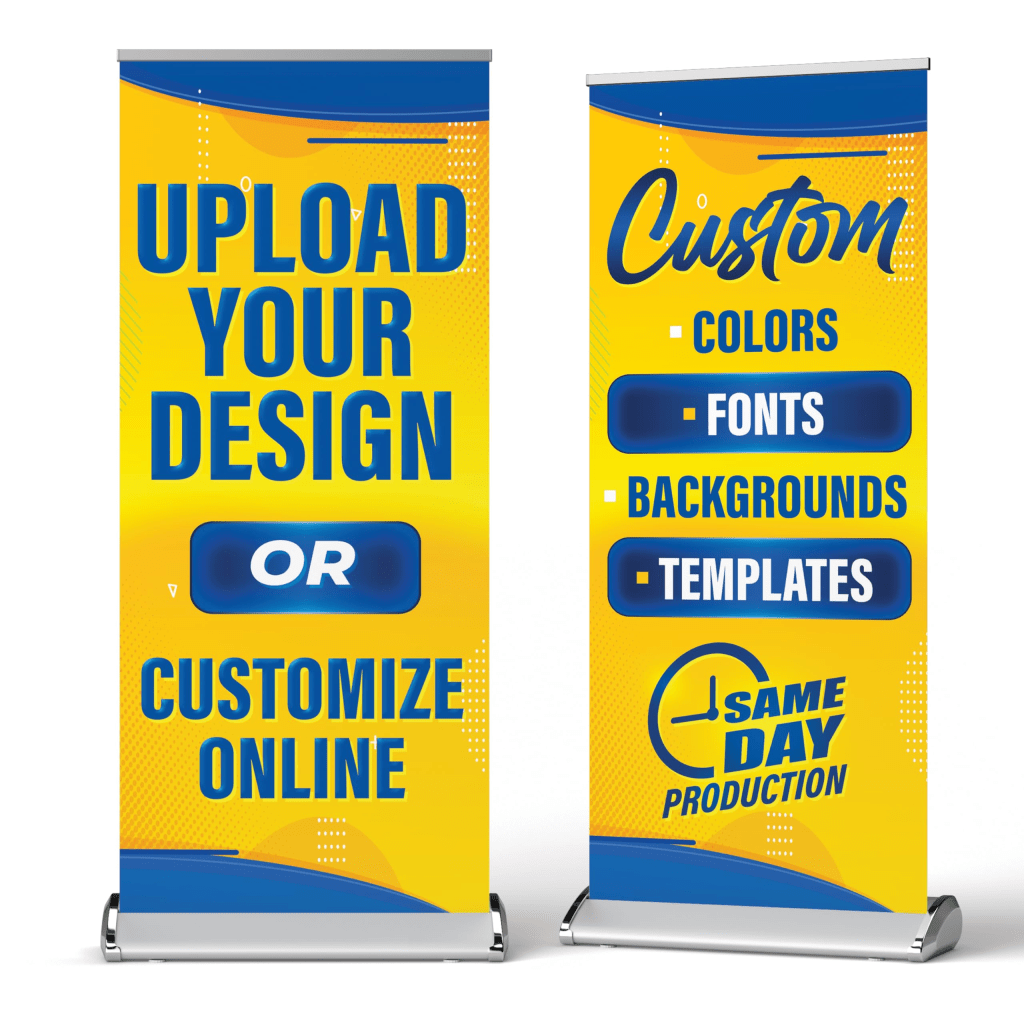
In today’s competitive market, brand visibility is key. Whether you’re hosting an event or attending one, having your branding in the spotlight can make all the difference. Strategically placed banners and step-and-repeat backdrops offer a simple yet powerful way to reinforce your identity, engage attendees, and ensure your brand is a focal point in event photography.
Why Portable Retractable Banners Are a Must-Have
One of the most versatile tools for professionals and organizations is the portable retractable banner. These banners are lightweight, easy to set up, and perfect for conferences, trade shows, or any type of event. They can also be reused across multiple occasions, offering great value.
When designing a retractable banner, simplicity is your best friend. Focus on the essentials:
- Your logo and company name: These should be the centerpiece of the design, ensuring instant recognition.
- Optional elements: A tagline can be included but only if it enhances the clean, professional look. Cluttered banners often dilute their impact.
You can create general-purpose branding banners for use at various events or event-specific designs that incorporate tailored messaging or visuals.
What Is a Step-and-Repeat Banner?

If you’re hosting a major event, a step-and-repeat banner is an excellent way to add a professional and polished touch. These large backdrops are designed with your logo or key branding elements repeated in a grid-like pattern, ensuring every photograph taken in front of it highlights your brand.
Designing an Effective Step-and-Repeat
Here are a few tips to ensure your step-and-repeat banner looks as professional as possible:
- Logo Placement: Maintain even spacing and ensure logos are large enough to be visible in photographs without overpowering the design.
- Material and Finish: Use high-quality materials that reduce glare, ensuring your backdrop photographs well under different lighting conditions.
- Event Specificity: Like retractable banners, step-and-repeats can be customized for specific events or kept general for versatile use.
Key Takeaways
Incorporating banners and step-and-repeats into your event strategy is a simple, effective way to boost your brand’s visibility. From retractable banners for versatile messaging to step-and-repeats for photo-ready branding, these tools ensure your logo and branding are front and center, leaving a lasting impression on attendees and in event photos alike.
-
Annual Reports: A Comprehensive Way for Companies to Show Progress

What is an Annual Report and Why Do Companies Make Them
An annual report is a comprehensive document prepared by an organization at the end of its fiscal year to provide stakeholders with detailed information about its financial performance, operations, and strategies. It is typically aimed at shareholders, investors, employees, and other interested parties.
Public companies are required to produce annual reports by the SEC and private organizations can voluntarily publish them. The nonprofit I worked for was based in New York City which means an annual report was a legal requirement but for nonprofits it’s a best practice to publish annual reports in order to demonstrate transparency and accountability as well as to build trust with current and future stakeholders.
When people grant or donate money they want to know where their money is going and how it’s being used. Everyone wants to maximize their ROI (return on investment) which for nonprofits means “how does every dollar spent meet the nonprofit’s mission?”
Demonstrating successful mission operations and impact can happen throughout the year through news, social media, blogging, emails, meetings, and targeted grant reports but an annual report is a great way to give people an overview of where a nonprofit is at as a milestone in the lifespan of an organization.
Key Components of a Typical Nonprofit Annual Report
- Mission and Vision: A statement of the organization’s purpose.
- Letter from Leadership: A message from the executive director or board chair reflecting on the year.
- Program Highlights: Information on initiatives, activities, and outcomes achieved.
- Financial Summary: A simplified breakdown of income and expenses (often derived from Form 990).
- Donor Acknowledgments: A list of major contributors or sponsors.
- Impact Stories: Testimonials or case studies showing the organization’s effect on individuals or communities.
Let’s Look at Three Years of an Educational Nonprofit’s Annual Report Components
2020-2021
- Welcome Message from the President
- Timeline
- 20-21 Snapshot (key data and facts)
- Making a Difference in a Difficult Year
- Featured Students
- Partners & Supporters
- Financials
- Board & Staff
2019-2020
- Welcome Message from the President
- 19-20 Snapshot
- Transforming the VE Experience
- Opportunity Fund
- Partners & Supporters
- Financials
- Board & Staff
2018-2019
- Welcome Message from the President
- 18-19 Snapshot
- VE & HSBC: Building the Future Workforce
- VE Top 50
- News & Events
- Partners & Supporters
- Board & Staff
Some elements remain the same each year to meet expectations of a typical annual report but each organization can get creative with which operations, developments, and stories are featured. One good way for determining the content to use in a report is to find a theme for the year; what was new, what was relevant, what stood out the most, what were you most likely to share with as many people as possible.
Common Steps in Developing an Annual Report
- Meet with leadership
- Make an outline
- Determine information sources
- Meet with contributors
- Set milestone dates
- Build the report
- Publish the report
- Promote the report
I have a soft spot for annual reports and I really enjoyed making them since they are publications that have relevance for a whole year and can be used to promote your organization for that timeframe in a detailed way. I grow frustrated going to a nonprofit’s website and not seeing an annual report; it makes me feel like there is a big missing gap in what I can learn about the organization and how well they’re accomplishing their mission. In an era where people fiercely compete for short form content to be consumed, having something that goes broader and deeper offers a significant advantage for the communication goals of an organization.
I can help you make an annual report 🙂
Email me if you want more advice or if you want to hire me for a flexible fee to help you develop any piece of your annual report to wow your stakeholders and delight everyone involved with your company mission.
-
Advertising 101: Understanding Objectives and Campaigns
Advertising is Everywhere
Everyone hates ads. Except for their favorite ads. The ad makers all want to be Don Draper but the industry is not that sexy anymore. I’ve never worked directly in advertising so I can’t say how many Don Draper wannabes actually exist but I assume the number is high.
In the United States, advertising spending in 2023 was $515.1 billion. That’s a massive number. In 2025, a 30-second commercial during Super Bowl LIX is expected to cost at least $7 million. In many ways advertising is a flex by companies to show they have enough money to even advertise in the first place. Your attention is incredibly valuable. Pretty much every company is competing for it. This should make us feel wanted and special.
You see ads online, on billboards, on subways, in sports stadiums, in newspapers, in magazines, on TV, through the mail, at events, on the radio, in the sky. Basically wherever available space exists, you can guarantee someone is trying to figure out how to put ads on it or in it. I’m waiting for space and dream advertising as the next frontiers.
While the advertising industry is fairly new, the concept of advertising has existed for a long time in history. The first written ad was a papyrus created in 3000 BC by an Egyptian slaveholder. The earliest known advertising was oral, such as bamboo flutes played to sell candy, town criers in ancient cities appointed to call out announcements and news, and street criers. You can learn more about the history of advertising here.
The Persistence of Advertising
It’s been around for a long time so it’s likely to persist for a long time too. Today’s consumers are sophisticated consumers though so a big challenge for advertisers is to basically advertise without advertising. This is why you see things like “sponsored content” on social media, which is a way to make ads feel more naturally aligned with what you’re organically looking for and interested in as you spend time online.
To function properly, an ad needs to be repeated and pervasive. The more frequently a person is exposed to an ad, the more likely they are to be influenced by an ad. This makes sense as the more you hear or see something, the more likely you are to feel favorable toward it and remember it. Repetition usually creates meaning.
Despite popular belief, the goal of advertising is not to annoy you. While we think we’re immune to ads, we’re ripe for them when we find ourselves in the target audience for a certain ad campaign. For example, if I see a TV commercial for a car, I just see it as noise because I’m not interested in or looking to buy a car but if I see an ad for how to increase blog traffic, I’m likely to pay attention. It all depends on what a consumer’s needs and wants are at a given time and these are always in flux.
Advertising Objectives
Looking at Facebook’s advertising performance goals provides a good framework for understanding the objectives of advertising.
Awareness
This is probably the most basic type of campaign you can run. You’re doing this to let people know your company exists or your product(s) and/or service(s) exist. You need people to know who you are before you can hope to have them engage with your brand and eventually become customers, which is the primary goal of business overall. Companies that are already household names will still run ads for awareness to keep them in the minds of consumers and do things like brand differentiation and brand positioning. The marketplace is dynamic and can change in an instant so it’s important for brands to stay on top of these varying shifts.
Traffic
This is to drive people to your website or social media or physical store. These types of ad campaigns require some sort of call-to-action to bring people to some touchpoint owned by the brand. This is part of the sales funnel to eventually turn that traffic into customers to make money.
Engagement
Taking action is the name of the game here. This can take various forms especially in an online world where you can use this to get people to click on a link for a landing page of a limited time promotion your brand is running or encourage people to talk about your brand in person or online to serve as brand ambassadors and extend the level of promotion you’re able to do. A person may be suspicious of seeing a direct ad from a brand but if a brand engages their friend, and their friend tells them about a promotion, they might be more receptive to engaging with it themselves.
Leads
A lead is a potential customer or stakeholder. Since organizations exist in the public sector with goals like getting volunteers, it’s not necessarily always about trying to make money even though paid advertising is more likely to be used by private sector companies looking to make money. These campaigns rely on making sure they reach your target audience.
Sales
Businesses need to make money. It’s why they exist. While there are ways to raise capital without working directly with customers, the way companies generate revenue is by generating sales. This is the end game of running ads. You want awareness, traffic, engagement, and leads to all lead to getting someone to spend money on your product(s) and/or service(s).
Remember: Frequency of Ad Exposure is Key
As we’ve said before, the frequency of advertising is a crucial component in meeting the objectives of ads so brands are likely running multiple types of campaigns for varying durations of time.
Maybe you run an awareness campaign for a month, then an engagement campaign for two months, then a sales campaign for a month based on a limited time offer for a new product.
How to Approach Creating Advertising Campaigns: Work Backwards from Objectives
When crafting an ad campaign, you want to start with the end in mind. Begin with your objective and be specific about it; “we want 10,000 people to learn about a new product line we’re offering” or “we want 200,000 people to visit our website or we want to increase sales by 15% for Q4.”
Once you formulate a clear objective, you need to consider your target audience. Who are they? Where do they live? What do they care about? What advertising mediums are they most exposed to? Figuring out your target audience then informs which form to use such as a billboard vs. a digital ad though for many campaigns at larger organizations, you’re going to do a mix of mediums to reach the right audience at the right times.
After figuring out your advertising forms, you’ll come up with your budget and timeline. How much can you spend to meet the objective in a cost effective way with a high ROI (return on investment) and how long do you need to run your campaigns for?
The element of advertising you want to consider last, only after you have the objective, target audience, medium, budget, and timeline, is the content of the ad. Many people like to approach this in a different order where they think it’s all about coming up with a creative or clever ad and then retrofitting that to meet the needs of the other elements but that’s a surefire way to get an ad that meets the ad makers needs and not the target audience’s needs.
The content of an ad should have a compelling headline, informative yet concise details, and if applicable, like to drive leads or engagement, a clear call-to-action for the consumer to take. Since ads are so prolific, there are hundreds and thousands of real world examples you can consult to see what makes a great ad and what lessons you can learn for crafting your own successful ad(s). Research and study ad campaigns that appear to be targeted to the kind of audiences you’re looking to reach.
I can help you advertise 🙂
Email me if you want more advice or if you want to hire me for a flexible fee to build an ad campaign or design ad content for you. In terms of building a campaign, I’m most familiar with using digital platforms such as Google Ads or Facebook Ads but I can help you develop an outline to determine objective, target audience, medium, budget, timeline, and content. I have experience designing print ads in addition to digital ones.
-
How to Design Stunning Album Covers: Tips and Inspiration

“Wow I wonder what that album sounds like!”
Getting Started
People like having something to look at while our ears are busy. Shapes, colors, figures, landscapes, words, objects, people. Our eyes need candy. The key to designing a good album cover is to start with the name of the album. Does that give you enough of a vibe as art direction to translate into a visual product? It should give you at least one possible element to work with. Try to make a couple album covers using the name of the album. Every good design takes multiple iterations so you have nothing to lose by just diving into the creative process.
Another approach for creating album art
If you need more than the name of the album, follow what the music is saying. A single instrument or melody can trigger ideas for a good album cover. Maybe those heavy drums become a deep dark blue. Maybe your squealing guitar becomes a vibrant red background. The nice thing is, you only have the colors of the rainbow to work with. Or black, white, and gray. These are some of the limitations that make a creative solution possible, just like the size and square shape of the typical album cover constrains the visual design enough to force sophisticated choices and sensible art direction.
My favorite album cover designs
My favorite album artwork for my own music came from an AI tool that’s no longer available. I prompted it to give me “abstract surreal funky multicolored art” images that I would sometimes modify with “energy light metal electricity burst” and other terms that I believed would help generate the interesting looks I was going for to accompany my quirky and beautiful electronic music instrumentals.

It took lots and lots of prompting to find the covers I liked the most. This is where the AI shift in technology brings us: I’m not doing the generating that takes me from 0 to 1 but I’m doing the curating of the dizzying number of choices to find the right fit. That being said, Canva is a great free tool to use for designing album visuals and of course Adobe Photoshop and Adobe Illustrator are useful options if you can afford them.

Find inspiration from talented artists
If you need more inspiration, do your research on existing album covers from publicly available music projects. You probably have some favorites already since an album cover is like a piece of memorabilia that accompanies an album and if you listen to music, you’ve been exposed to many album covers made by very talented people.
We all know the famous examples but don’t be afraid to take lessons from lesser known artists too; some of the most imaginative art can come from people with a dozen listeners. I have 6,900 saved songs on Spotify so it’s very difficult for me to pick my favorite album covers as I like so many of them for so many different reasons. But I’ll share some examples since they might help you in your journey to create an impactful album cover.
Charli xcx’s Brat

A very recent entry from 2024 but I’m a sucker for bold simplicity and this cover does a great job of complementing an album of brash, jaunty hyperpop. The color is highly imitation-worthy and the text is unmistakable. You can recognize this no matter what size the thumbnail is on a screen or how large it’s displayed in person.
Some similar album covers include Fugazi’s 13 Songs, Kanye West’s The Life of Pablo, and Daft Punk’s Discovery.



blink-182’s Enema of the State

Sex sells. Healthcare is important. These pop punkers are irreverent. The people photographed for an album don’t necessarily need to be the band members or artist themselves to work. It helps if they’re attractive.
Nick Drake’s Pink Moon

Album covers can be paintings. They can be legitimate forms of fine art. You don’t need to stick with minimalism if your album is moody and diverse. From 1972, this design is a surrealist wonder and sort of fits into yet clashes with the vibe of 70s album covers overall. They were really hungover from the psychedelic era in that decade.
There are millions of album covers
Check out my Spotify account to see more of the music and album covers I enjoy. There are seriously hundreds and hundreds and I’m not spending the time to detail them all in this post. I’ve given you enough information to work with so hopefully you’re better prepared to start designing.
I can help you make an album cover 🙂
Email me if you want more advice or if you want to hire me for a flexible fee to design an album cover for you that accurately captures your music and provides listeners with an interesting teaser to your work.

Tyler Fugazzie
I deliver meaningful communication

